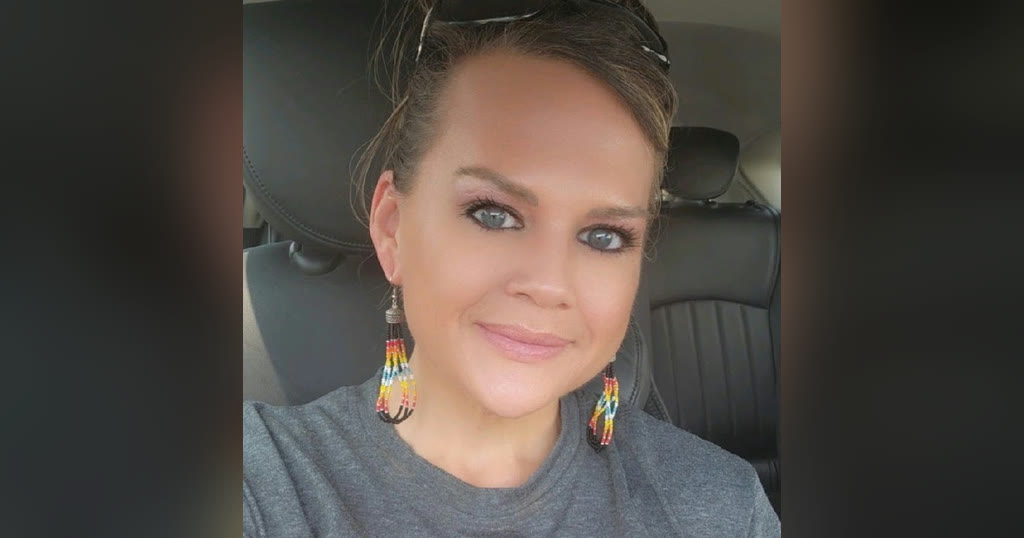
Sabrena Morgan: Criminal Justice Activist and Formerly Incarcerated Advocate
By Jeff Grant
We were honored to host Sabrena Morgan, criminal justice activist, blogger and formerly incarcerated person, as our July 2024 White Collar Support Group Tuesday Night Speaker Series presenter. Sabrena wrote a speech out that afternoon and then scratched the whole thing, and what she gave us instead ran from a childhood showing horses, to the top of a Midwest meth ring, to a police bullet, to nine years in federal prison, to a campaign to get Kansas City back the halfway house it has not had since 2017. You can watch the full recording above.
Most people who hear this story fix on what happened to her. Watch it for what she did afterward, with almost nothing to work with. She rebuilt her own public record from a prison email terminal, and she started a reentry campaign from inside her house while wearing an ankle monitor. If you have a sentencing date on the calendar, or you are in the flat middle of supervision wondering what the time is actually for, this is your hour.
What Sabrena Morgan covered
- 4:51 Sabrena takes the mic and throws out her written speech
- 7:33 Body image, diet pills, and the first time she tried meth
- 11:41 One year of law school, then panic attacks and quitting
- 14:10 Divorce, a custody fight, and going back to meth
- 23:53 A police officer fires five rounds into the car
- 35:38 The retiring agent in the red Jeep with the Russian accent
- 40:38 Boxing and bodybuilding to rebuild after the gunshot wound
- 41:28 A nine-year sentence and relief at sentencing
- 43:37 Blogging out of Pekin, 13,000 characters at a time
- 46:59 Kansas City has had no federal halfway house since 2017
“I believe that prison and reentry needed complete divorce with no contact.”
The night a police officer shot her, and the week after
February 2, 2014, past midnight, snowing. A test drive in an old truck with a man she knew was wanted turned into a slow chase on ice, and an officer standing at the side of the road fired five rounds into the vehicle. One went into her head. She talked her way through a scene full of officers who kept insisting it was glass, and refused morphine at the hospital so she could stay awake and prove it was a bullet.
None of that is the part she flagged as hard to say. The hard part came a week later, at home, alone.
I was upset the cops shot me, but I was more angry that I was still alive. And I’m really embarrassed by that.
Anyone who has waited out an investigation in a quiet house knows what sits underneath that sentence, and knows how seldom anyone says it in a room full of people. Six months later she came over the hill to a driveway full of agents, and what she remembers is not the arrest. It is the ride, and what the agent beside her said about where this might eventually lead. She has been turning that conversation over for ten years and has never been able to find out who he was.
How do you outrank your own case from a prison email terminal?
Her brother came to see her at Pekin, one of the federal facilities that hold women, and told her she should write blogs. She asked him what a blog was. He mailed her printouts and books about TED talks, and she went to work inside the two limits prison gives you. Email caps at 13,000 characters, and the terminal lets you type for thirty minutes before it makes you wait thirty more.
13,000 characters translates into 2500 words. And 2500 words translates into an 18 minute speech.
So she picked a topic, wrote all week by hand, and typed all Saturday in shifts. Her brother published them on Medium, including the piece on ghost dope that got around. She never saw a single comment on any of it. Then during a COVID lockdown, on the first call she could make in weeks, he told her what her name returned on Google now. It was not the case. Members ask us about repairing search results constantly, usually after paying someone, and a later session went through what Google will and will not take down for free. Sabrena did it out of Pekin, 13,000 characters at a time.
The campaign to bring a federal halfway house back to Kansas City
She came home early under the CARES Act at her 50 percent mark, then spent nearly four years on home confinement. She has also written for us on what rebuilding a life after prison actually costs, starting with the inventory she walked out with: a garbage bag of belongings and a check for $60. Her daughter told her to download TikTok and type in prison to find her people, which is how our group found her. A fellowship at Dream.org followed, and in every interview she climbed onto the same soapbox: her city has no federal halfway house, and she drives 88 miles one way to check in and give a UA. Dream listened, then handed the soapbox back as her fellowship project. Go get Kansas City a halfway house. From an ankle monitor.
What she did next is the most useful stretch of the hour for anyone who wants to fix a piece of this system rather than just survive it. A congressional staffer admitted he had not believed her email until he checked it himself. Her second idea, the one worth stealing, came out of an unrelated phone call about trade unions that cannot fill their jobs while employers keep repeating a recidivism story the data does not support. We have hosted many reform advocates, Louis L. Reed and Amy K. Nelson among them. Sabrena is the one who did the work with the monitor still on her leg.
About Sabrena Morgan
Sabrena Morgan is a criminal justice activist, blogger and TikTok creator from the Kansas City area. She showed horses nationally, earned her degree at UMKC and finished a year of law school. In 2018 she was sentenced to nine years in federal prison for her role in a $4.3 million conspiracy to distribute methamphetamine and heroin, served at Pekin, Illinois, and came home under the CARES Act on June 1, 2021. She was a fellow at Dream.org, sits on the planning committee of our White Collar Support Group, helped us build toward the first White Collar Conference, and hosts TikTok lives with Brent Cassity that carry our Monday night topics out to a wider room.
Elsewhere on this story
- Sabrena Morgan on Nightmare Success Nightmare Success episode: Sabrena Morgan, Shot By Police Then Ghost Dope Prison