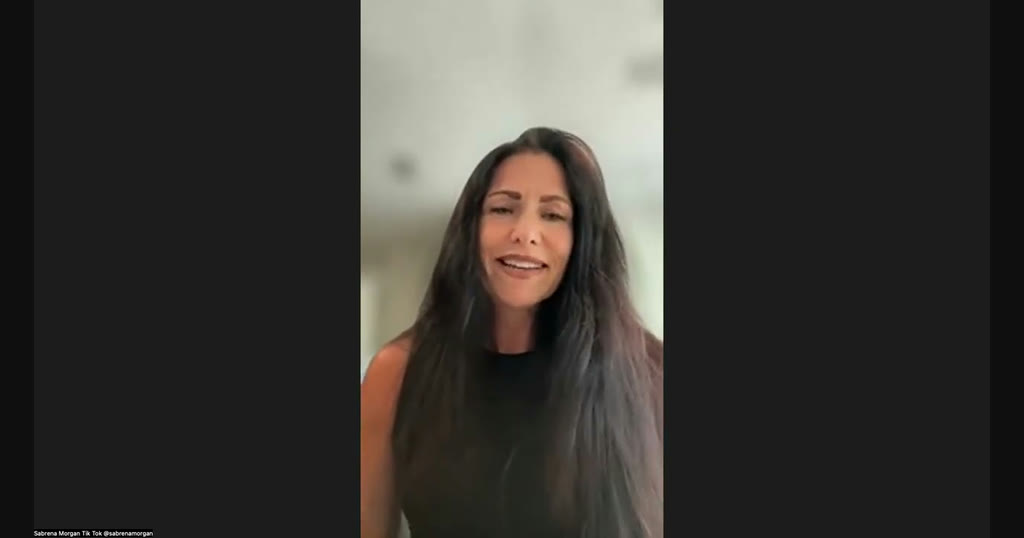
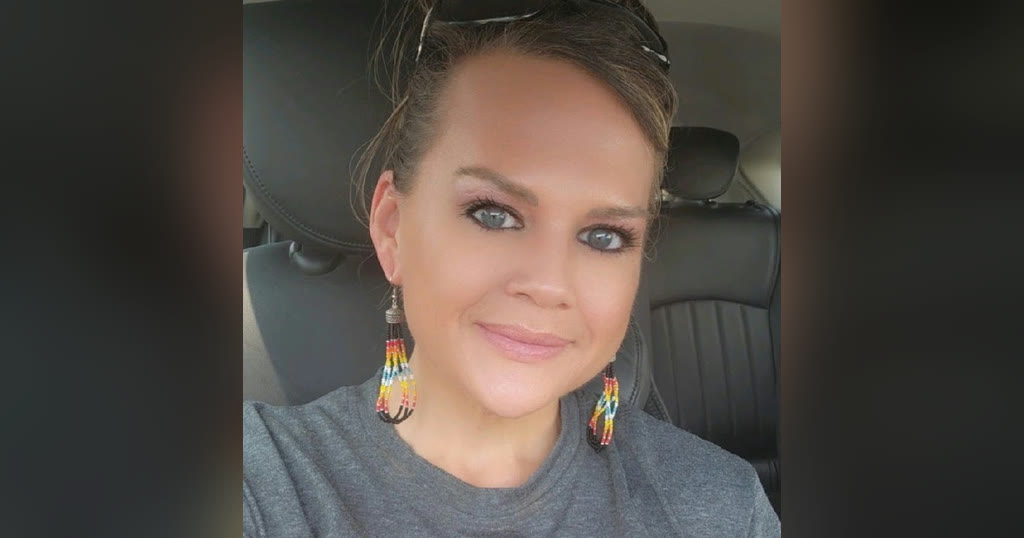
Molly Parmer: Criminal Defense Attorney and Court TV Commentator
By Jeff Grant
We were honored to host Molly Parmer, a criminal defense attorney who has spent her whole career on the defense side of federal cases, as our September 2024 White Collar Support Group Tuesday Night Speaker Series presenter. Molly talked about how she came to this work, the clients she chooses to take, and why she is willing to say things in public that most defense lawyers keep to themselves. You can watch the full recording above.
Most of us heard the same advice in our first week: the lawyer you want is a former prosecutor. Molly has never been one. County public defender, then the Federal Defender Program, then her own firm, and not one day at the government’s table. If you are choosing a lawyer right now, or you already have one and you are quietly wondering whether they see a person or a file, spend the hour.
What Molly Parmer covered
- 0:36 Jeff Grant opens the group's 430th weekly meeting
- 1:20 The first White Collar Conference is announced for October 19
- 4:16 Why Molly Parmer sends her own clients to the support group
- 5:02 Teaching advanced criminal trial practice at Emory Law
- 5:16 Court TV every Wednesday with Vinnie Politan
- 6:12 What government lawyers are not permitted to say publicly
- 7:33 Her father, Abbie Hoffman, and the 1968 Chicago convention
- 10:59 The Hope Scholarship that brought the family to Georgia
- 19:46 Why she prefers the company of people society calls outcasts
“I have always been around people that don't quite conform to society's expectations, right? It started with my family, and then my students, my specialized students.”
Fifteen years on the defense side, never a prosecutor
Molly went straight from Emory Law into the public defender’s office in DeKalb County, Georgia. Her first jury trial was a murder. The verdict came back not guilty, and she told us that one afternoon settled the rest of her working life.
What she says about the years after is less triumphant. She left carrying more than 300 open felony cases with almost nothing to spend on any of them, stuck inside the question every public defender lives with, which is whether you are repairing a broken system or quietly helping it run. Louis L. Reed answered that one by going after the statutes themselves after fourteen years inside.
The Federal Defender Program in the Northern District of Georgia hired her in 2015, the least experienced person they took that year. That office had resources. When a trial needed a forensic accountant, nobody argued about the cost. Representation ran vertically, so the lawyer who met you at the Marshals the day you were arrested tried the case and argued the appeal. She still works that way, and members who heard Karen Kelly will know why that matters.
What she can say on Court TV that a public defender cannot
For most of her career she could not. Public defenders and assistant federal defenders are government employees, and the rule is plain: you do not talk to the media, and you certainly do not broadcast your more controversial ideas about incarceration. Going out on her own in 2019 lifted that.
She does Court TV most Wednesday nights and teaches advanced criminal trial practice at Emory to future prosecutors and future defenders in the same classroom. She works in two registers on purpose: academic, taking the case apart and arguing the nuance where she believes real change actually happens, and visceral, making people feel the human being in the file, which is the same job mitigation has to do long before sentencing day.
The Joe Exotic appeal is the academic register in public. Everyone treats that case as a circus, she said, which is exactly why nobody bothers with the elements underneath the conviction, the same gap P.G. Sittenfeld described for our group, between what happened and what a case can be built to look like. She argued it anyway in the Tenth Circuit.
they were very mean to me and I lost. But it was an interesting issue and I think it was one that had to be litigated and I still believe that I was correct.
The argument she wants next has nothing to do with tigers and everything to do with the United States Sentencing Guidelines. Rachel Barkow has walked our group through the same machinery.
Which clients she chooses to take, and why she stays in touch
That instinct starts well before law school. Her father illustrated Abbie Hoffman’s Steal This Book, ran with the Yippies, and attended every day of the Chicago Seven trial, sketching artwork to raise money for the defense. He was in and out of jail, and he died a fugitive in Vermont. Molly told us twice that she does not share his politics. But an authority figure who lives outside the law changes what a child sees in a defendant.
Then came five years teaching students with emotional and behavioral disabilities in Title I special education classrooms, where her job was to advocate for the child who was allegedly misbehaving. Her sister has a criminal record. So do a lot of her friends. She would rather stand beside someone the world wrote off than applaud someone for doing everything right, and she said it to a room full of people who have heard a friend’s voice change on the phone.
I still keep up with pretty much everyone that I’ve represented in recent years, and all of their family
Most of us got a closing letter and a handshake. Molly does not send one. Alex Little told our group what the first call from the government sets in motion. Molly’s half hour is about the last one.
About Molly Parmer
Molly Parmer owns Parmer Law, a boutique criminal defense firm working predominantly in federal court, with offices in Atlanta and Savannah, Georgia. She is an honors graduate of Georgia Tech and a Woodruff Scholar at Emory Law. In 2023 she spent three months in a federal criminal tax fraud trial in which the government alleged more than $400 million in loss. Her client was found not guilty of all charges. She has argued before the Tenth and Eleventh Circuits, teaches at Emory Law, sits on the board of the National Association of Criminal Defense Lawyers, and appears regularly on Court TV, Fox, ABC and NBC.
Molly spoke on Zoom on September 10, 2024, a month before the first White Collar Conference. Our White Collar Support Group meets every Monday at 7 PM ET and had reached its 430th consecutive meeting that week.