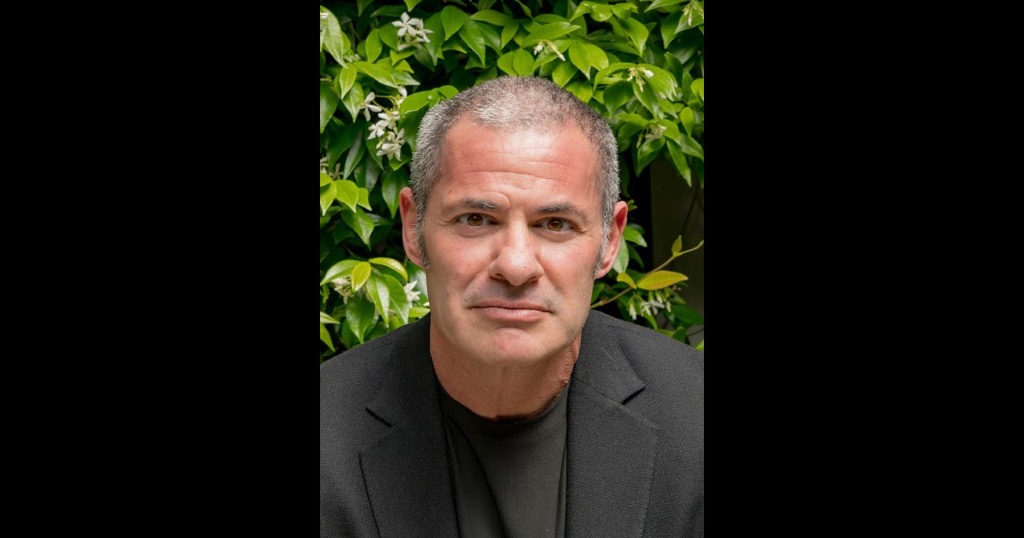
Doug Passon: Sentencing & Mitigation Expert
By Jeff Grant
We loved hosting Doug Passon, Esq., a criminal defense lawyer with a national sentencing practice, as our December 2025 White Collar Support Group Tuesday Night Speaker Series presenter. He came to talk about narrative, and about why the work that actually decides a federal sentence happens long before anybody walks into a sentencing hearing. His presentation was open to everyone. You can watch the full recording above.
If you are pre-plea right now, or your lawyer has never once asked you a question about your life before the case, this is the hour. Doug’s argument is that most defense teams get to the human part of a case far too late, and that the cost of waiting gets measured in months of somebody’s life. Spouses and family should watch too, because much of what he describes can only come from the people who actually know you.
What Doug Passon covered
- 6:41 Why someone else controls your story from the first report
- 10:39 Why he started making sentencing mitigation videos in 2005
- 11:29 The Simpsons episode that put mitigation videos on television
- 18:36 What digging for mitigation actually asks of a lawyer
- 21:58 Why the plea negotiation is the first sentencing
- 24:18 DefenseMap, a free and confidential mitigation questionnaire
- 25:31 The three Rs of sentencing narrative
- 29:45 Relativity stories and the leader organizer enhancement
- 33:31 The two kinds of prison consultant, and how to choose one
- 41:01 What 20 years of data says about pleading straight up
“There are at least two sentencings that occur in every single case. Because the first sentencing is the plea process.”
The government’s story about you, and when to take it back
Doug opened where a lot of our members live. From the moment a case opens, the government gets to describe you, over and over, in documents you did not write: the 302s, the charging papers, the bail memos, the presentence report. Every one of them is a portrait of your worst day, drawn by people who have never met you.
And the question is, when is it time for us to take back the story, right? Because whatever they’re saying has nothing to do with who you are in your heart and in your bones.
His answer is early, and often, and certainly not thirty days out from a hearing. The call that drives him crazy is the one from a lawyer whose client has just pled and whose sentencing date is a month away, after a case that ran a year or two with none of this work done. Doug makes the case for putting the mitigation package in the prosecutor’s hands while the offer is still being written, next to the ordinary argument about elements and proof. None of it expires, either. The same material feeds a sentencing memo, a compassionate release motion years later, and the pardon petition Professor Mark Osler walked us through after that.
The three Rs, and the one that makes lawyers nervous
Doug sorts every sentencing story ever told into three buckets: revelation, relativity, and redemption. He wrote it up for NACDL’s The Champion, and Jeff has the article for the group. The claim underneath is bolder than the labels sound. Every case has at least one of the three in it, many have two, and if nobody on your team can find one, that is a finding about your team and not about your case.
Revelation is the one that splits a room. A very powerful New York lawyer once told Doug that if he is talking about the crime, he is losing every time, because any explanation of how a person got there reads as an excuse. Doug does not buy it, and his answer turns on the order of the sentences rather than on whether to tell the story at all. Relativity is the fairness argument, already built quietly into the guidelines, and it lands for anyone who has been called the ring leader. He does not argue it in the abstract, either. He plays a clip of a former warden of several federal prisons describing exactly what waits inside for a young man with autism, and lets her show why the same stretch of months is not the same punishment for every person. It pairs with what we heard about getting the right experts in before the plea.
How to choose a prison consultant, and where their lane ends
Doug gave his opinion here with a warning that he hoped it was not too controversial. He splits prison consultants into two groups: people who are experts because they served time, and people who are experts because they ran the prisons. Both have a place, he said, but the lanes are narrow and they are not the same. The first group he finds genuinely useful for two things: preparing you for what doing time feels like, and helping you advocate for yourself inside, where the administrative remedy process is daunting by design. What worries him is the drift past that line, and he borrowed the sharpest version of it from Walt Pavlo, who covers Bureau of Prisons issues for Forbes.
He said, if you had cancer, you would want someone to be able to walk you through what that experience is going to be like and help you prepare for it. But you wouldn’t want them operating on you.
Then he brought on Mark Allenbaugh of sentencingstats.com, a former staff attorney at the U.S. Sentencing Commission, whose advisory group another of our speakers, Adam Bentley Clausen, sits on. Allenbaugh pulled twenty years of data on white collar cases. Three of his findings cut hard against what most of us were told about pleading versus going to trial, and about what a written plea agreement is worth. We are going to leave those where they are. They start about forty minutes in.
About Doug Passon
Doug Passon, Esq. is a practicing criminal defense lawyer with almost 30 years of experience in state and federal court, nationally known for his work in sentencing advocacy and mitigation. He is also an accomplished documentary filmmaker, long recognized as the pioneer in using short documentary films for mitigation in criminal and capital cases. He co-authored a book on legal storytelling, The Narrative Gym For Law, with acclaimed author and story professional Dr. Randy Olson, and he produces and hosts the weekly podcast Set for Sentencing. He represents clients across the country, and in particular clients on the autism spectrum.