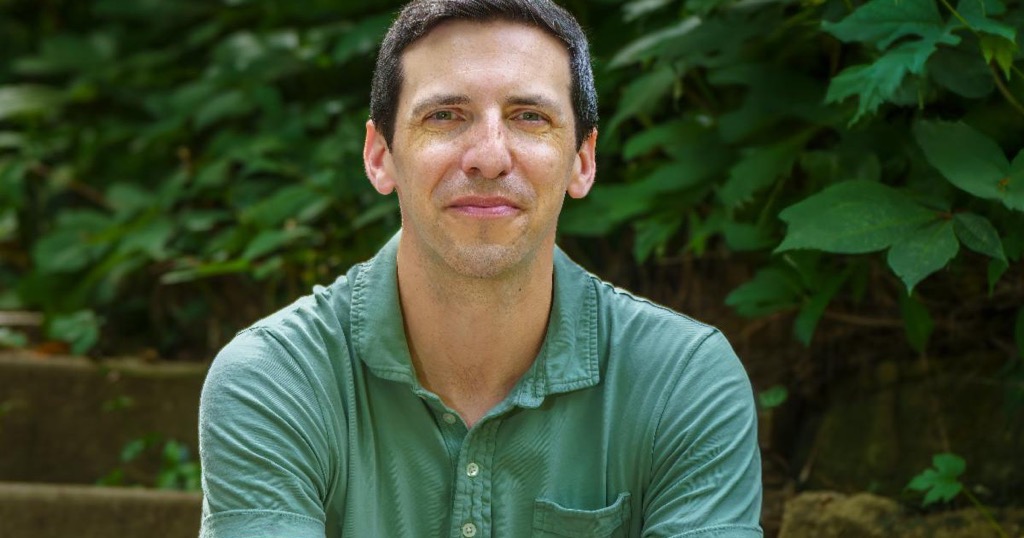
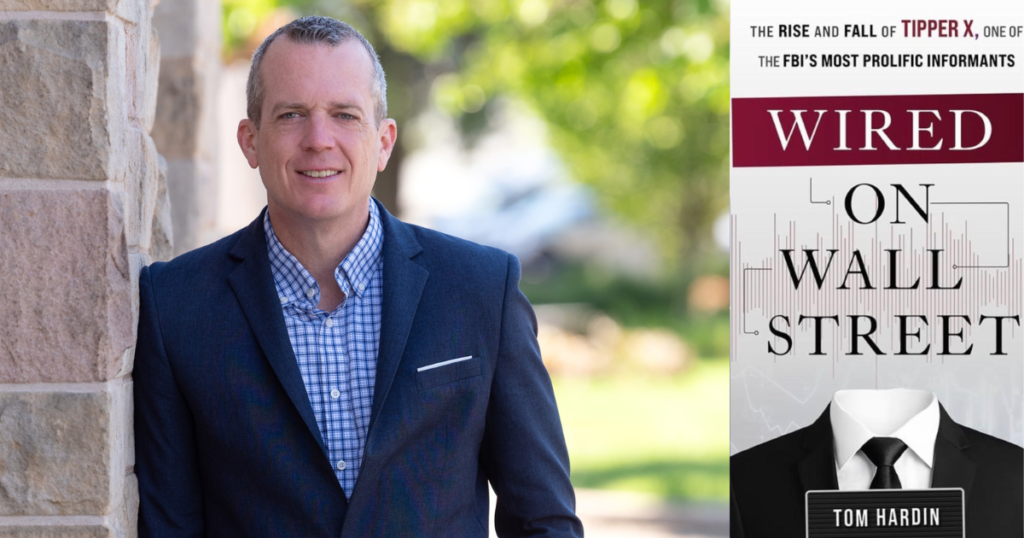
Professor Mark Osler: Pardons Expert
By Jeff Grant
We were very happy to invite Professor Mark Osler as our June White Collar Support Group Tuesday Speaker on June 24, 2025 at 7 PM ET.
Professor Mark Osler is a law professor at the University of St. Thomas School of Law and one of the nation's leading experts on federal clemency and pardons. A former federal prosecutor, he has argued before the Supreme Court and is the author of multiple books on sentencing and clemency law.
His work advocates for sentencing and clemency policies rooted in principles of human dignity. He founded the first law school clinic focused entirely on federal clemency petitions and has helped hundreds of individuals navigate the pardon and commutation process.
The presentation covered the history and mechanics of presidential clemency, how to apply for a pardon or commutation, what makes a successful petition, and the state of clemency reform in the current political environment.
Professor Osler walked the audience through the federal clemency process step by step, beginning with the distinction between a pardon and a commutation of sentence. A pardon is an act of forgiveness that restores certain civil rights and removes some collateral consequences of a conviction, while a commutation reduces the length of a sentence without expunging the underlying conviction. Understanding which form of relief is appropriate -- and realistic -- is an important first step for anyone considering a clemency petition.
He discussed the role of the Office of the Pardon Attorney within the Department of Justice, which reviews clemency petitions and makes recommendations to the President. Professor Osler was candid about the limitations of this process, noting that the vast majority of petitions are denied and that processing times can stretch for years. He also discussed how the process has evolved across different administrations and why the political dynamics surrounding clemency have made it an inconsistent and often unpredictable avenue for relief.
A key portion of the presentation focused on what makes a successful clemency petition. Professor Osler identified several factors that tend to strengthen an application: demonstrated rehabilitation over a sustained period, meaningful community contributions since the conviction, strong letters of support from credible sources, and a clear narrative explaining why clemency is warranted in this particular case. He emphasized that successful petitions tell a compelling human story, not just a legal argument, and that the quality of the petition narrative matters enormously.
Professor Osler also addressed the current political landscape for pardons and commutations, including recent trends in how administrations have used (or declined to use) the clemency power. For the white collar justice community specifically, he discussed the unique challenges and opportunities that white collar petitioners face, including public perception issues and the political calculus that can surround high-profile cases.
For WCSG members, this presentation offered both practical guidance and realistic expectations about the clemency process. Professor Osler's combination of legal expertise, prosecutorial experience, and deep commitment to human dignity made this one of the most substantive and hopeful presentations in our speaker series. Community members left with a clearer understanding of their options and the steps they can take to pursue relief.